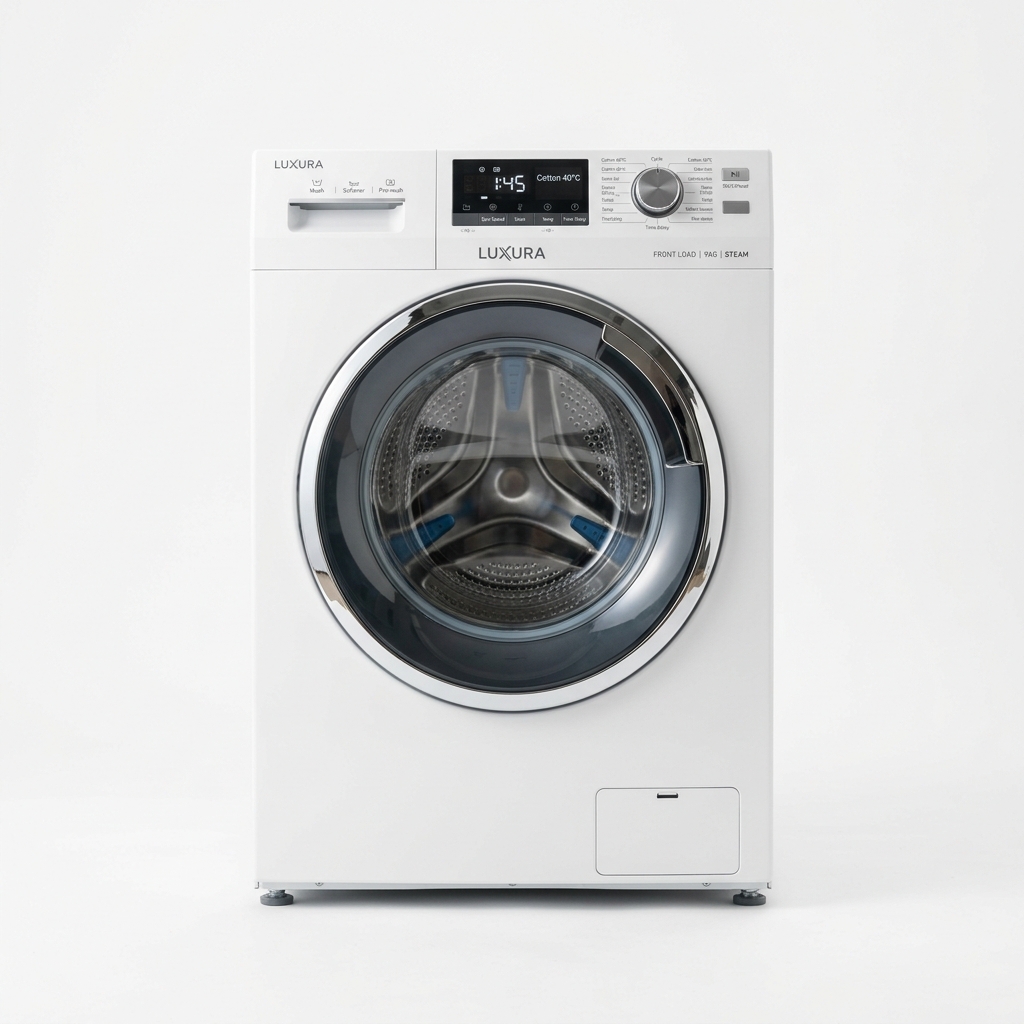
A leaking washing machine is one of the most frustrating appliance failures a homeowner can encounter. Even a tiny puddle of water can quickly scale into expensive structural damage, flooring rot, and mold growth. Understanding what causes leaks and how to inspect key components can save you thousands of dollars in repairs.
Common Causes of Washing Machine Leaks
Before you grab tools, it is crucial to isolate where the water is coming from. Leaks generally present themselves in three areas: the back of the washer, the front door seal (front-load units), or directly underneath the chassis.
1. Damaged or Loose Drain Hoses
Check the corrugated plastic drain hose located at the back of the washer. Over time, vibrations from spin cycles can rub the hose against the wall or electrical box, creating micro-fissures.
2. Faulty Water Inlet Valve
The inlet valve controls the hot and cold water entering the machine. If this valve crack or rusts, it can drip continuously, even when the washing machine is completely turned off.
3. Worn Front-Load Door Seal (Gasket)
On front-load washers, the rubber door seal collects detergent residues, mold, and sometimes foreign debris like hairpins or coins. Debris breaks the airtight seal, allowing water to stream down the front panel.
Step-by-Step DIY Troubleshooting
Follow this checklist to inspect and diagnose your leaking washing machine safely:
- Turn off Power & Water: Disconnect the plug and shut off both water shut-off valves.
- Inspect Hoses: Ensure connection fittings are tight. If rubber washers are dry-rotted, replace them.
- Check Pump & Filters: Front-load washers feature a drain pump filter access door at the bottom. Unscrew it and clean out lint, coins, and buttons.
- Verify Levelling: An unlevel machine vibrates severely, shaking hose connections loose. Adjust the leveling legs until the unit is solid.
Diagnostics Comparison
| Leak Location | Likely Faulty Part | Difficulty to Fix |
|---|---|---|
| Back of Machine | Inlet Hose / Drain Hose | Easy (DIY) |
| Front Door (Front-load) | Door Gasket / Boot Seal | Medium (DIY/Pro) |
| Bottom / Underneath | Drain Pump / Tub Seal | Hard (Professional Recommended) |
Prevention Tips
- Replace rubber inlet hoses with stainless steel braided burst-proof hoses every 5 years.
- Do not overload the machine. Off-balance spin cycles cause mechanical failures.
- Use the correct type of detergent (HE detergent for HE machines) to avoid oversudsing overflows.
Frequently Asked Questions
No. Running a leaking washer poses serious electrical shock risks and can ruin your home flooring. Disconnect power immediately.
If water pools directly beneath the door panel on a front-load washer, inspect the rubber gasket boot for cuts or mold blockages.
